Every other brewing method this site has walked through, AeroPress, Chemex, Kalita Wave, moka pot, percolator, pour-over, gets a dedicated ratio and grind size guide with a gram amount and a worked recipe. The Clever Dripper, the plastic cone with a gravity-actuated valve in its base that turns any pour-over shape into a full-immersion brewer, has not, despite being a genuinely distinct piece of engineering: it looks like a V60, brews like a French press, and drains itself the moment you set it on a mug. Three independently published brewing guides give this site enough to close that gap, and two of the three land on the same 1:16 ratio using two different dose sizes, a cleaner reconciliation than most methods on this site manage. The bigger, more frequently searched question is not the ratio, though. It is how the Clever Dripper actually compares to the V60 and the Hario Switch, the two devices it gets cross-shopped against most, and that comparison has zero mentions anywhere on this site today.
The ratio: 1:16 twice, 1:15 once
Home Grounds’ own recipe for the 18-ounce Clever Dripper calls for 23 grams of coffee to 345 grams of water, which works out to exactly 1:15. Crema Coffee Roasters calls for 25 grams of coffee to 400 grams of water, exactly 1:16. Podium Coffee Club, in a piece specifically comparing the Clever Dripper against the Hario Switch, gives a shared recipe for both brewers of 15 grams of coffee to 240 grams of water, which also reduces to exactly 1:16.
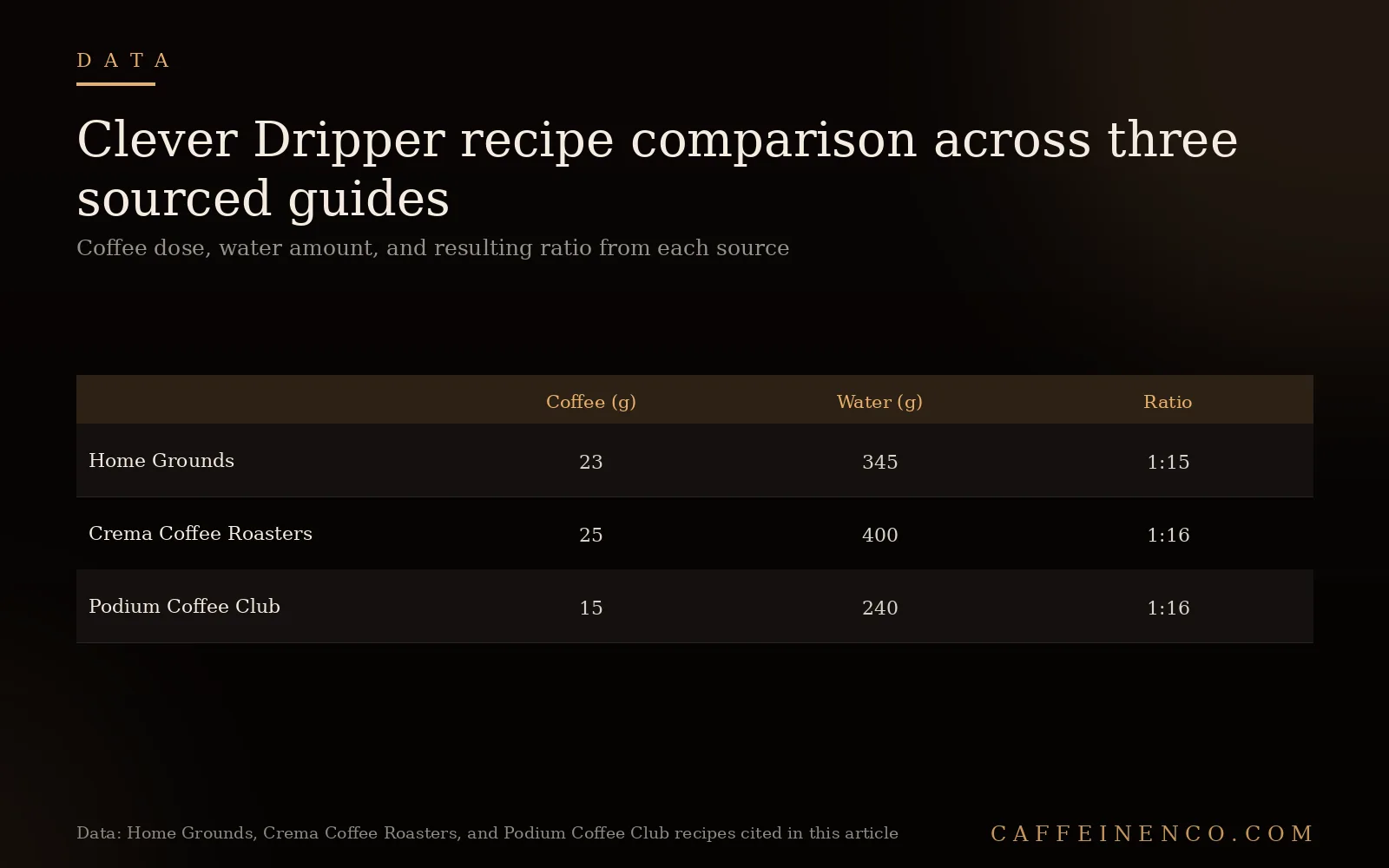
| Source | Coffee | Water | Ratio |
|---|---|---|---|
| Home Grounds | 23g | 345g | 1:15 |
| Crema Coffee Roasters | 25g | 400g | 1:16 |
| Podium Coffee Club | 15g | 240g | 1:16 |
Two sources, using two completely different dose sizes, arrive at the identical 1:16 figure, which is the same kind of genuine reconciliation this site’s Kalita Wave guide found for that method. Home Grounds’ 1:15 is a notch stronger, but it is a single step off rather than a contradiction: this site’s own coffee to water ratio chart places most drip and immersion-adjacent methods somewhere between 1:15 and 1:18, and the Clever Dripper’s entire sourced range sits at the strong end of that band, in familiar territory rather than as an outlier. Start at 1:16, the point where two of the three sourced guides agree, and move toward 1:15 if you want a fuller cup.
The grind: medium, between a drip grind and a French press
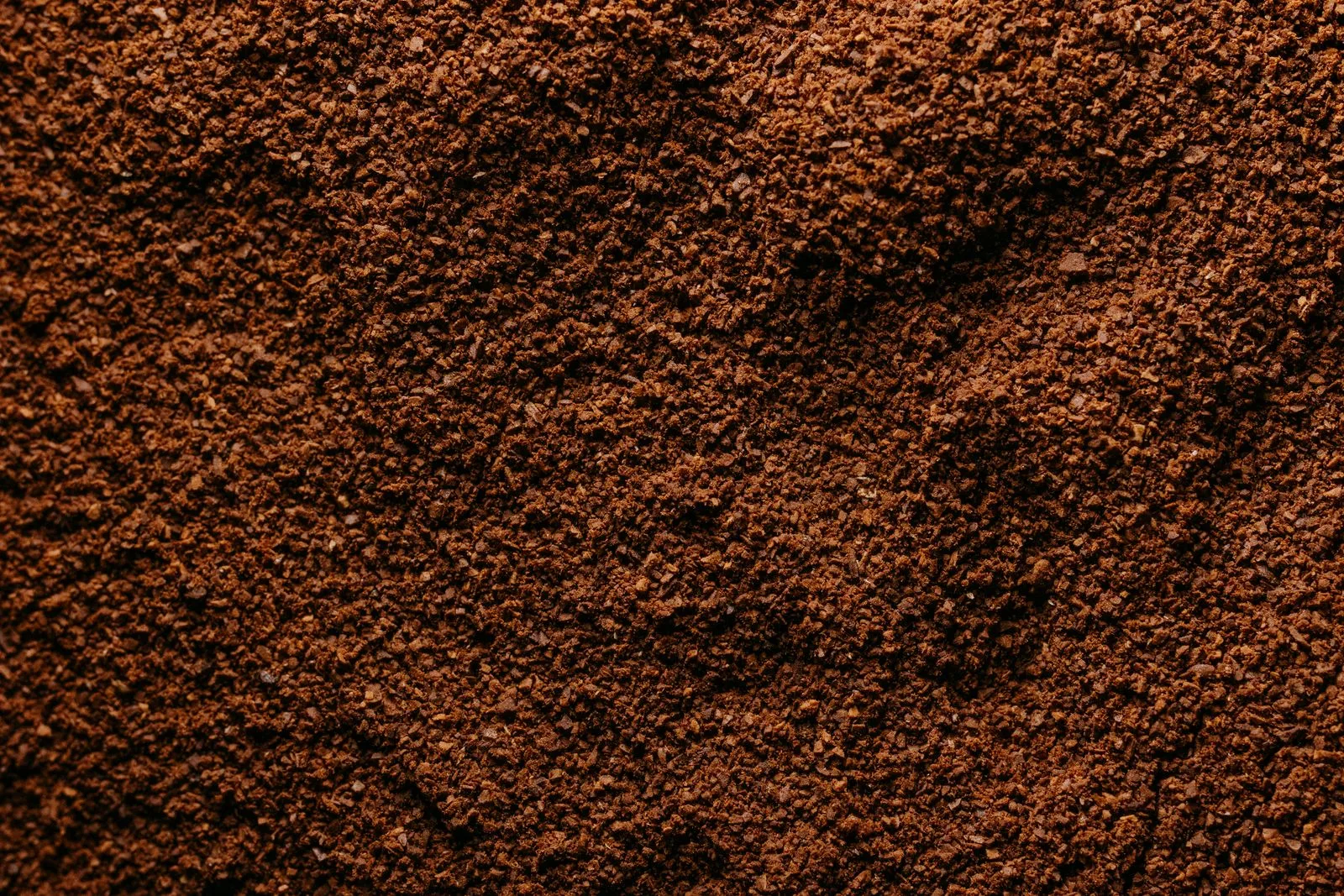
The three sourced guides describe the target with different words but the same general texture. Home Grounds calls for a “medium-coarse grind,” specifying it should be “similar to a French press, but slightly finer.” Crema Coffee Roasters describes the target as “like wet sand, finer than ‘regular’ drip.” Podium Coffee Club’s shared recipe simply states “medium grind size.”
Read together, the honest range is medium to medium-coarse, sitting between a standard drip grind and a full French press grind, distinctly coarser than the medium-fine texture this site’s own pour-over guide calls for on a V60. That makes sense given how the Clever Dripper actually works: the grounds sit in full contact with the water for the entire steep rather than draining continuously the way a V60’s bed does, so a V60-fine grind held for that long would over-extract badly. If your cup comes out too acidic or thin, or the drawdown finishes faster than the times below, grind finer first. If it comes out bitter or the drawdown drags well past a minute and a half, go coarser.
A burr grinder set to a medium setting holds that target far more consistently than a blade grinder, which tends to produce an uneven mix of fine dust and coarse chunks in the same batch and makes it hard to tell whether a bad cup was the grind or something else, or you can browse the same category on Amazon.
The valve: full immersion without a plunge
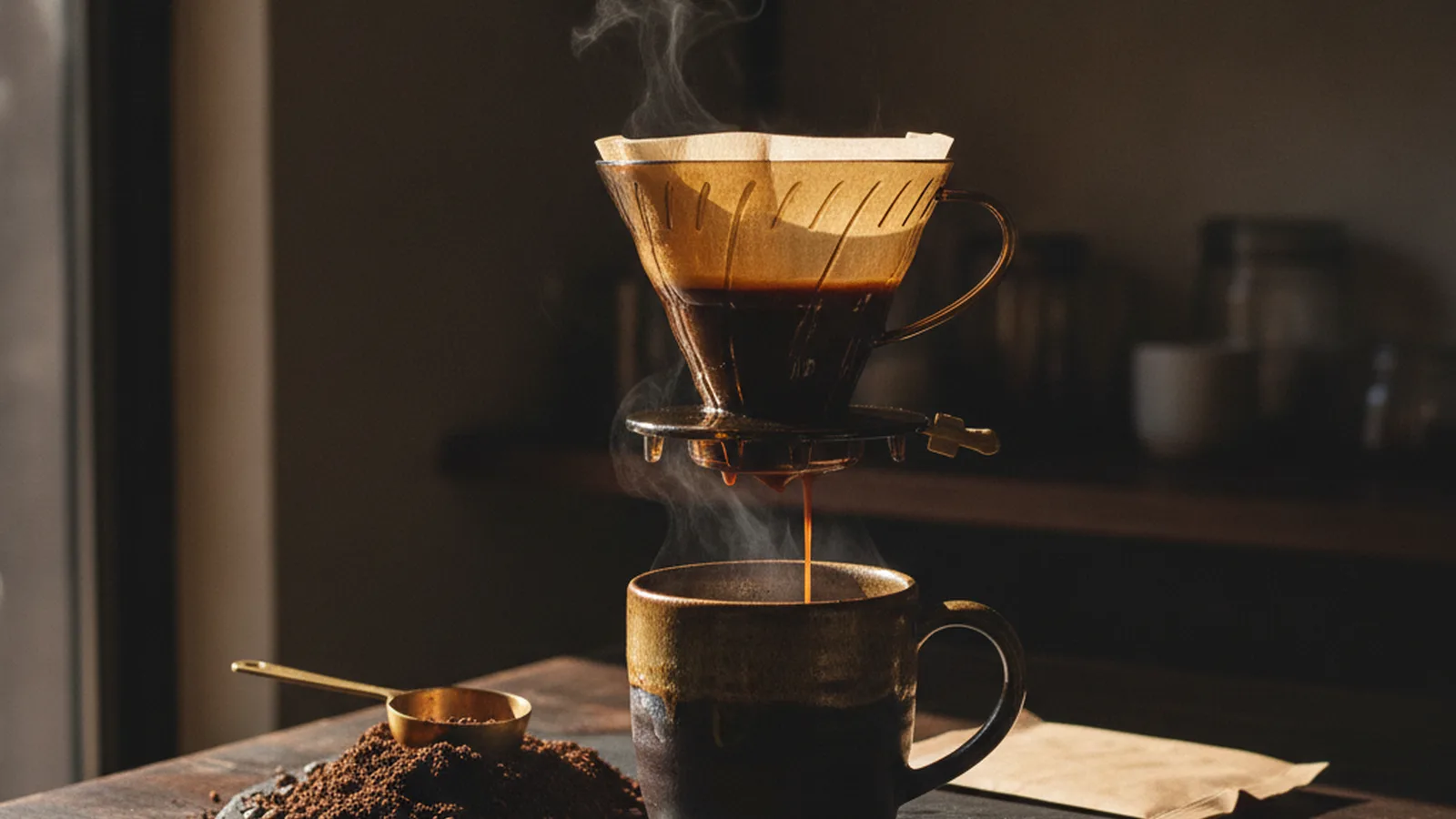
The mechanism is what actually separates the Clever Dripper from every other method this site has covered. Per Podium Coffee Club, the Clever “uses a gravity-actuated valve that sits inside the cone. The valve is closed by default, the dripper holds water by virtue of the seal pressing down.” Set the dripper on a countertop or a scale and it holds the full brew like a sealed cup; set it on top of a mug or carafe and the rim pushes the valve open, and the coffee drains through the paper filter on its own.
Bean & Bean describes the resulting brew style directly as “an immersion-style brewer that features a handle and valve on the bottom to hold water in,” combining full-immersion contact time with a paper filter’s clarity rather than a French press’s metal mesh, which is the source of the sediment a mesh filter lets through. That is also the reason the Clever Dripper needs coarser grounds than a V60 rather than the same setting: a paper-filtered pour-over drains continuously and never holds fine grounds in standing water for more than a few seconds at a time, while the Clever’s valve holds everything, fine grounds included, in contact with the water for the entire steep.
Worked example: brewing your first cup
- Heat water to 195 to 200 degrees Fahrenheit, per Home Grounds, just under a full boil.
- Grind 25 grams of coffee to medium, aiming for a texture like wet sand, finer than a French press grind but coarser than a drip grind, per Crema Coffee Roasters and Home Grounds together.
- Fold and rinse a paper filter in the dripper with hot water, then discard the rinse water, per Home Grounds’ own steps, to clear any papery taste and preheat the cone.
- Set the dripper on a scale and add the grounds, then tare to zero before pouring.
- Pour all 400 grams of water within about 30 seconds, per the shared recipe Podium Coffee Club gives for both the Clever Dripper and the Hario Switch, and stir gently to eliminate any dry pockets of grounds floating on top.
- Let it steep undisturbed for 2 minutes.
- At the 2 minute mark, stir again to break up the crust that forms on top, then let it settle for 30 seconds, per both Crema Coffee Roasters and Home Grounds.
- Set the dripper on your mug or carafe and let the valve open on its own. Drawdown should take 45 seconds to about a minute and a half; total brew time across all three sourced guides lands between roughly 3 minutes and 4 minutes.
- If you are shopping for your first Clever Dripper, 1st in Coffee’s coffee maker range and Clever Coffee Drippers on Amazon both carry the standard plastic, valve-in-the-base design this guide walks through.
Clever Dripper vs Hario Switch: the closest comparison there is
The Hario Switch is the device the Clever Dripper gets compared to most, because it is the only other widely sold brewer that turns a pour-over cone into a full-immersion brewer. The mechanisms, though, are opposites. Per Podium Coffee Club, the Hario Switch “uses a silicone-and-steel ball valve at the base. A small lever on the side lifts or lowers a ball that seals the exit hole,” a manual, deliberate action, versus the Clever’s gravity-actuated valve that opens automatically the moment you set it down.
That difference in control shows up in the cup. Podium Coffee Club describes the Switch as having “a slight edge in clarity because the V60-style cone shape gives water a longer contact path through the bed during drainage,” and its ribbed interior “vents the filter more aggressively, producing a cleaner drawdown.” The Clever, by contrast, “has a slightly fuller, more rounded body. The flat-bottom shape and slower drawdown leave a touch more body and fines in the cup.” Kafeido’s comparison agrees on the practical tradeoff without contradicting the flavor read: the Switch “allows you to fine-tune the brewing process and customize the final product” and is “relatively easy to use,” while the Clever “is easy to use” and “relatively inexpensive and widely available,” with both producing “a consistent cup of coffee.”
Ease of use is where the two diverge most clearly. Podium Coffee Club sums up the Clever as “genuinely close to foolproof. Pour in coffee, pour in water, wait, set on a mug. The valve does everything mechanically.” The Switch’s added step, choosing when to flip the lever, “gives you slightly more control but adds one more thing to remember.” Neither review calls one brewer better outright; the Clever trades a small amount of control for zero decisions mid-brew, and the Switch trades a small amount of simplicity for the ability to time the drawdown yourself.
Clever Dripper vs V60: fuller body versus more clarity
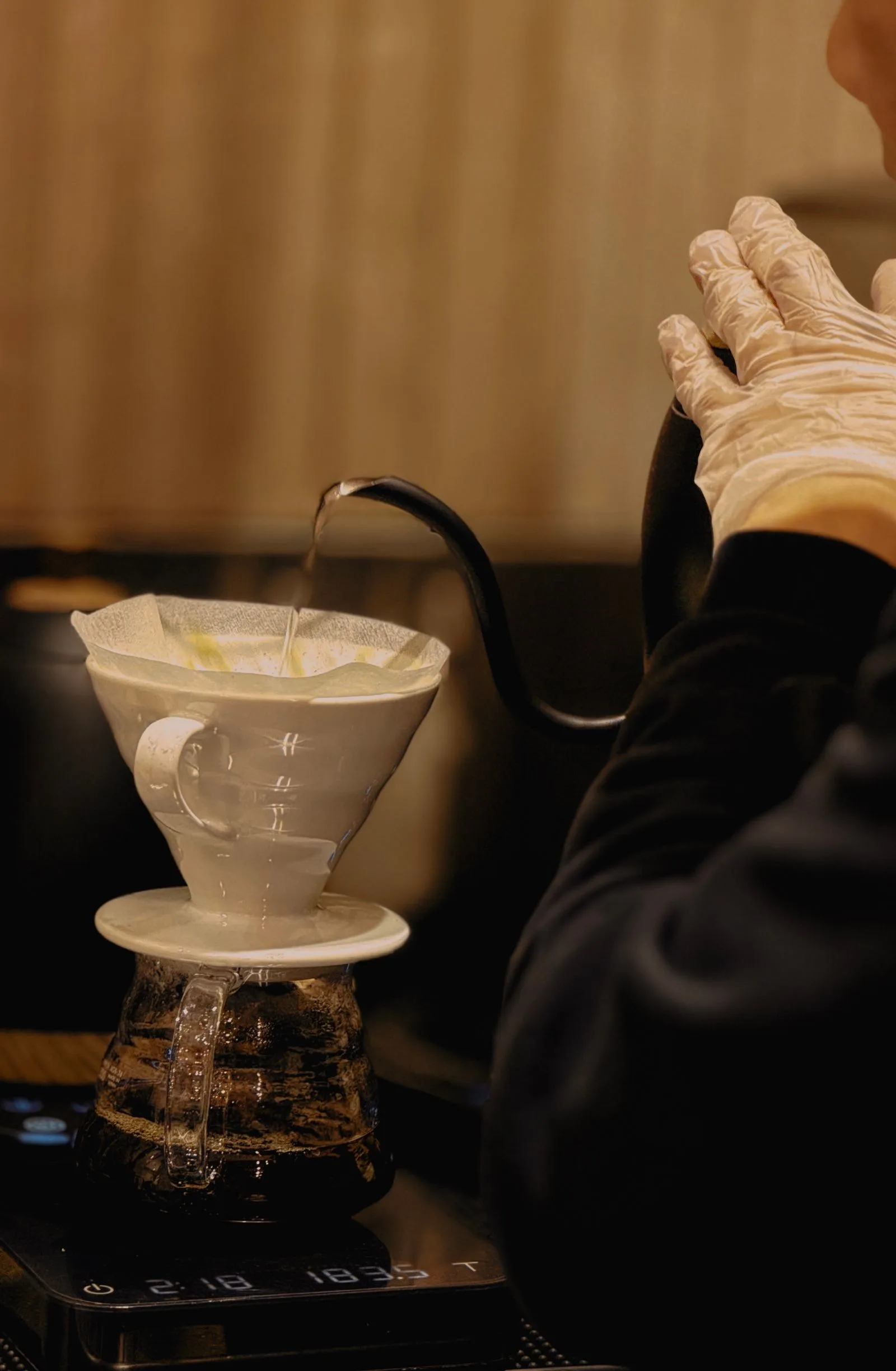
Against a standard V60, the Clever Dripper’s tradeoffs sharpen further, because a V60 has no valve and no immersion phase at all: water passes through the grounds once and keeps moving. Bean & Bean frames the flavor difference directly. The Clever Dripper produces “a fuller-body coffee that would work better for medium to dark roasts,” where “the fruity and floral notes of light roast coffees won’t be as prominent.” The V60 produces “a very bright and clean cup of coffee” that highlights “coffee origin flavors and complex flavors best,” which is why it is the standard brewer for showcasing a light-roast single origin.
That flavor gap tracks with the numbers. This site’s own V60 pour-over guide documents a 1:16 to 1:17 ratio at a medium-fine grind, brewed with a staged pour over roughly 2:30 to 4:00 total. The Clever Dripper’s 1:15 to 1:16 ratio is close by weight, but the grind is coarser and the coffee spends its entire steep sitting in still water rather than being continuously refreshed by a moving pour, which is the mechanical reason it comes out fuller and less bright. Bean & Bean’s take on technique matches this site’s own experience with the V60: the Clever Dripper is “probably the most uncomplicated coffee brewer to use and doesn’t require any fancy techniques compared to a pour over,” while the V60 has “a steeper learning curve… compared to the Clever Dripper” precisely because an uneven or rushed pour can stall a V60’s drainage in a way the Clever’s valve mechanism simply cannot.
Where Clever Dripper’s ratio sits against other methods on this site
At 1:15 to 1:16, the Clever Dripper is close to but slightly stronger than French press’s 1:12 to 1:17 range, the other full-immersion method on this site, and it falls inside AeroPress’s wide 1:4 concentrate to 1:18 full-immersion spread, well past the numeric midpoint and closer to AeroPress’s most diluted, full-immersion setting. What separates the Clever from both of those is not the ratio, it is the filter. French press uses a metal mesh that lets fine sediment through, and AeroPress requires a manual plunge that adds pressure and a small amount of operator technique to the extraction. The Clever Dripper’s paper filter and gravity valve give it a French press’s full-contact steep time with none of the sediment, and none of the plunging.
| Method | Typical ratio | Filter and mechanism |
|---|---|---|
| Clever Dripper | 1:15 to 1:16 | Paper filter, gravity valve, full immersion |
| French press | 1:12 to 1:17 | Metal mesh, manual plunge, full immersion |
| AeroPress (full immersion mode) | Up to 1:18 | Paper or metal filter, manual plunge and press |
| V60 pour-over | 1:16 to 1:17 | Paper filter, continuous pour, no immersion |
Common mistakes
Using a V60-fine grind is the most common mistake, and it is an easy one to make if you already own a pour-over setup and assume the same settings carry over. They do not; the Clever’s grounds sit in still water for a full 2 minutes or more, and a fine grind held that long over-extracts into bitterness fast. Skipping the second stir at the 2 minute mark is the second mistake; per both Crema Coffee Roasters and Home Grounds, that stir breaks up the crust of grounds that forms on top and lets the bed settle evenly before drawdown, and skipping it produces an uneven extraction. Leaving the dripper sitting on the mug the entire time is the third mistake; the valve is meant to stay closed during the full steep and only open once you deliberately set it down, so setting it on the cup early lets it drain before the 2 minute immersion is complete. Judging the grind by drawdown speed alone rather than taste is the fourth; a fast drawdown paired with a thin, sour cup means too coarse, but a fast drawdown paired with a reasonably balanced cup just means your grinder runs coarser than the sourced guides assumed, and chasing an exact time over an exact taste wastes good coffee.
Common questions
What is the correct Clever Dripper ratio? 1:16 by two of three sourced guides, using two different dose sizes, 25 grams to 400 grams and 15 grams to 240 grams. Home Grounds’ own recipe runs slightly stronger at 1:15. Start at 1:16 and move toward 1:15 for a fuller cup.
What grind size should I use for a Clever Dripper? Medium to medium-coarse, described as similar to wet sand or a French press grind but slightly finer, per Crema Coffee Roasters and Home Grounds. That is coarser than the medium-fine grind this site’s own V60 pour-over guide calls for, since the Clever holds grounds in still water far longer than a continuous pour does.
Is a Clever Dripper the same as a Hario Switch? No, though they solve the same problem differently. Per Podium Coffee Club, the Clever uses a gravity-actuated valve that opens automatically when set on a mug, while the Hario Switch uses a manual lever you flip yourself. The Switch gives a slightly clearer, brighter cup; the Clever gives a fuller, slightly more full-bodied one with a simpler, hands-off process.
Is a Clever Dripper better than a V60? Better suited to different goals rather than better outright. Per Bean & Bean, the Clever Dripper produces a fuller-bodied cup that favors medium to dark roasts and is close to foolproof to use, while the V60 produces a brighter, cleaner cup that better showcases light-roast complexity but takes more practice to pour consistently.
How long does it take to brew coffee in a Clever Dripper? Roughly 3 minutes to 4 minutes total across all three sourced guides here, made up of a 2 to 2.5 minute steep followed by a 45 second to 1.5 minute drawdown once you set the dripper on your cup.
Does a Clever Dripper produce sediment like a French press? No. It uses the same kind of paper filter as a V60 or Chemex, which catches the fine sediment a French press’s metal mesh lets through, per Bean & Bean’s own comparison. The tradeoff is body rather than grit: a fuller mouthfeel than a V60, without the gritty last sip a French press leaves behind.
For more sourced brewing breakdowns like this one, delivered weekly, subscribe to The Sunday Pour.
Sources & data