You followed a recipe, steeped it overnight, strained it properly, and the result still tastes off: a dull, cardboard-like woodiness, a harsh bitterness that lingers on the back of the tongue, or an odd sourness that wasn’t in the coffee when you smelled the bag. Cold brew has a reputation for being foolproof because there’s no kettle temperature to get wrong and no pour technique to master. What that reputation misses is that cold brew replaces heat with time, and time is a much less forgiving variable. A pour-over mistake plays out over three minutes. A cold brew mistake plays out over 16 hours, which means small errors in grind, ratio, or bean freshness get magnified rather than smoothed over.
There are five places this usually goes wrong, and they’re worth checking in a specific order because some symptoms overlap. We’ll go through each one, then get into the maths of dilution, since ratio confusion causes more “bitter” complaints than actual over-extraction does.
Over-steeping
This is the most common cause of a genuinely woody, harsh cup, and it’s a direct result of extraction chemistry, not bad luck. The compounds responsible for coffee’s pleasant sweetness and body extract relatively early in the steep. The compounds responsible for harshness, chlorogenic acids and bitter tannins in particular, keep extracting the longer the grounds sit in water, and they become the dominant flavour once you go past the point of balance. Steeping beyond roughly 24 hours almost always produces harsh, woody results, and the effect isn’t subtle: it tastes closer to over-steeped black tea than to coffee.
The fix is straightforward once you know it’s the cause: pull your steep back. Sixteen to eighteen hours at room temperature is a reliable window for balanced flavour without harshness. If a batch already tastes bitter, reduce your next steep by two to four hours and taste again before adjusting further. Because the change compounds slowly, small reductions are usually enough. You rarely need to cut a steep in half to fix it.
Grind too fine
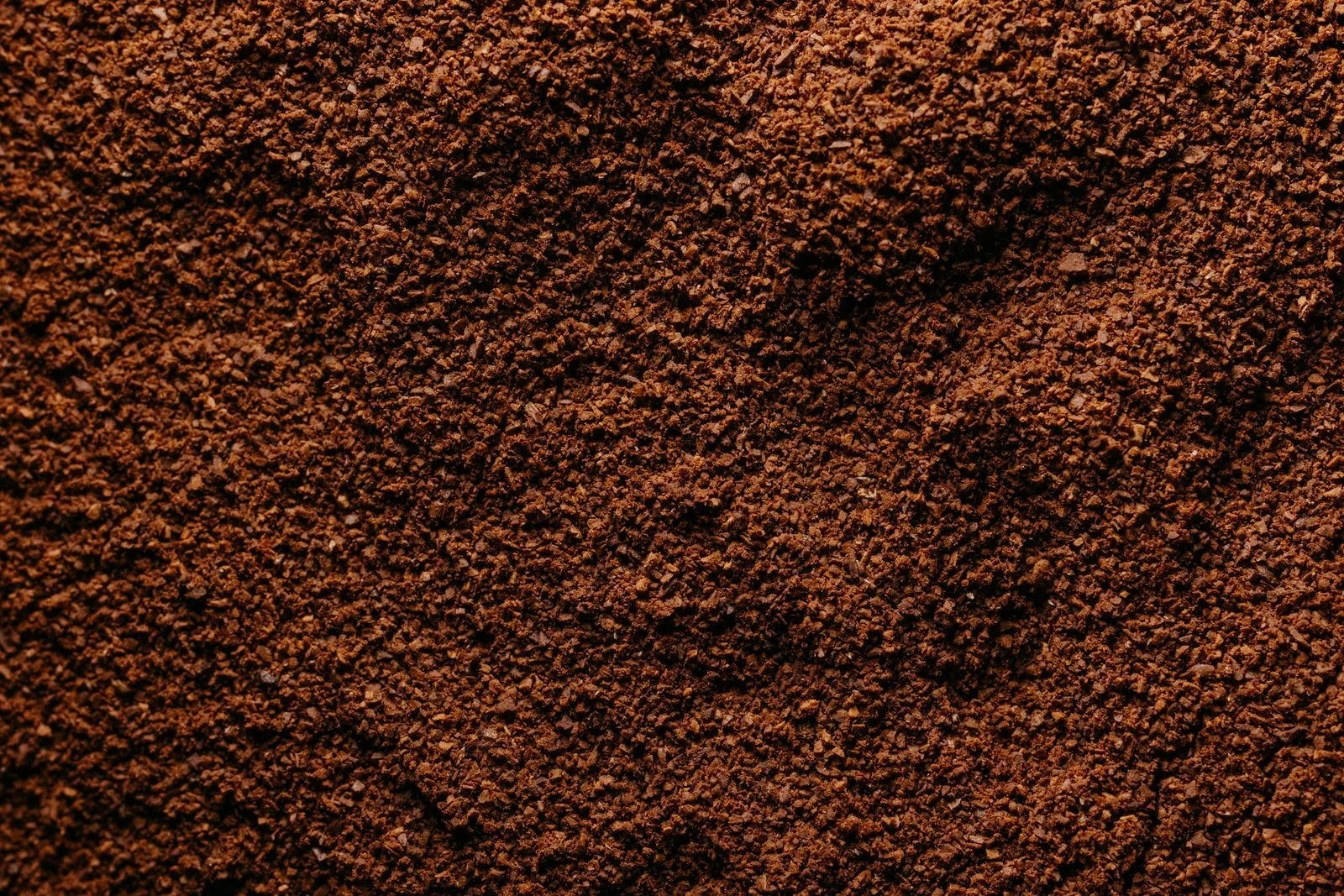
Grind size problems in cold brew show up as two almost opposite symptoms depending on which direction you’ve missed the target. Too coarse, and the water doesn’t have enough surface area to work with, giving you a watery, under-extracted cup with a weak aroma and thin body. Too fine, and you get the opposite problem: fine particles offer so much surface area that they extract far too quickly, producing a gritty texture at the bottom of the jar and an overbearing, muddy bitterness that reads a lot like the woody harshness caused by over-steeping, which is why grind and steep time are easy to confuse as culprits.
The target texture is coarser than most people expect coming from pour-over or drip: something close to raw sugar or coarse breadcrumbs, distinctly chunky and easy to pick out individual particles from, not the fine sand texture that suits a drip machine. Because cold brewing runs on time rather than heat, you can’t correct a bad grind mid-steep the way you might adjust a pour-over pour on the fly, so it’s worth getting the setting right before you start rather than troubleshooting after 16 hours have already passed. A burr grinder matters here more than it might seem to for a “set it and forget it” method, simply because consistency keeps the whole batch extracting at the same rate instead of some particles finishing early and others barely starting.
Wrong ratio
This is the cause most often mistaken for over-extraction, and it’s worth separating clearly because the fix is completely different. Cold brew recipes come in two flavours that get mixed up constantly: concentrate, typically brewed at 1:4 to 1:5 coffee to water by weight, meant to be diluted before drinking, and ready-to-drink brews, typically 1:8 to 1:10, meant to be consumed straight. If you brew a concentrate-strength batch and then drink it undiluted because the recipe didn’t make that distinction clear, it will taste overwhelmingly strong and harsh even if your grind and steep time were both correct. That’s not over-extraction, it’s just too concentrated for how you’re drinking it, and no amount of shortening the steep will fix a dilution problem.

The dilution maths, simply
If you’ve brewed a concentrate at roughly 1:4, say 250g of coffee steeped in 1,000g of water, what you’ve got is about four times stronger than a normal cup. Diluting it 1:1 with water or milk, equal parts concentrate and liquid, brings you down to somewhere around 1:8 total, which sits comfortably inside the ready-to-drink range. If that’s still too strong for your taste, go to a 1:2 ratio of concentrate to water instead, one part concentrate to two parts water, landing closer to 1:12. There’s no need to overthink it beyond that: taste it black first, then dilute a little at a time until it matches the strength of a normal cup of coffee, and remember where you landed for next time.
Stale beans
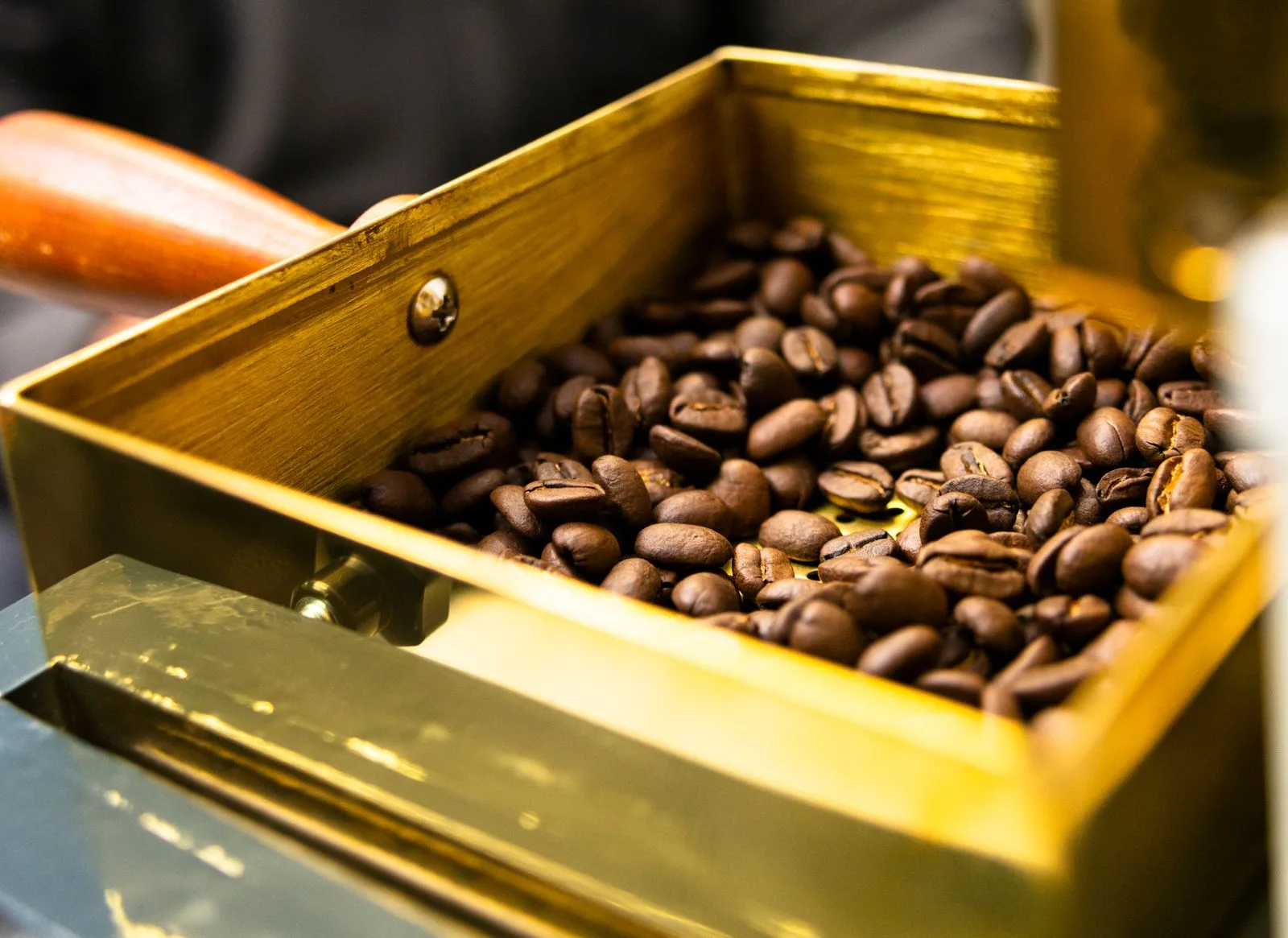
Cold brew has nowhere to hide a stale bag the way a hot brew sometimes can. As coffee beans age, oxidation breaks down the aromatic compounds responsible for bright, complex flavour and replaces them with flatter, duller notes, commonly described as flat, woody, and papery. In hot brewing, heat and steam carry some aromatic lift even from a beans that are past their best, which can mask a bit of staleness. Cold water does none of that lifting, so a stale bag that might read as merely “a bit dull” in a pour-over can come through as outright woody and cardboard-like in cold brew.
The fix is about sourcing rather than technique: check for an actual roast date on the bag, not just a best-by date, and aim to use beans within roughly two to four weeks of roasting. Store them in an airtight container away from light and heat between uses. If you’ve been reaching for a bag that’s been open for a couple of months, or one where you genuinely can’t remember the roast date, that’s a very plausible explanation for a woody cup even when your steep time, grind, and ratio are all correct.
Plastic vessel taint
The least obvious cause, and the one people rule out last, is the container itself. Polypropylene and similar food-grade plastics are inert enough for occasional short-term contact, but over months of repeated 12 to 24 hour steeps, they can gradually absorb faint coffee oils, and that residue slowly starts tainting future batches with a note that layers on top of whatever the coffee itself is doing, often read as a musty or woody undertone that doesn’t go away even after switching beans. Glass, by contrast, is chemically inert: it doesn’t absorb oils or transfer taste between batches no matter how many times it’s used.
This isn’t usually the first thing to check, since it takes months of use to become noticeable, but if you’ve ruled out steep time, grind, ratio, and bean freshness and the cup still tastes slightly off in a way you can’t pin down, and your steeping vessel is an older plastic pitcher, that’s worth testing next. Switching to a glass jar or jug, or simply washing a plastic vessel more thoroughly and more often, is a cheap way to eliminate the variable.
Steep time at a glance
| Steep time | What’s happening | Verdict |
|---|---|---|
| 12 hours | Balanced for a fine-leaning grind or fridge steeps that started earlier; can taste slightly thin at coarser grinds | Taste-test before pulling if using a standard coarse grind |
| 16 hours | The sweet spot for most room-temperature steeps: full body, balanced sweetness, no harsh notes yet | Best default starting point for most beans |
| 18 hours | Still balanced for many beans, but bitterness starts creeping in for darker roasts or slightly finer grinds | Fine, but taste at 16 hours first and decide from there |
| 24+ hours | Over-extraction sets in properly: chlorogenic acids and tannins dominate, producing harsh, woody flavour | Pull earlier next time, this is where most “woody” complaints come from |
Common questions
Can I fix a batch that already tastes woody or bitter? Not fully, but you can improve it. Diluting further with water or milk lowers the concentration of the harsh compounds enough to make the cup more drinkable, and it’s the fastest fix for a batch you’ve already made. It won’t undo the over-extraction itself, though, so the real fix is adjusting the next batch: a shorter steep, a coarser grind, or fresher beans, depending on which cause matches your symptoms.
Is bitter cold brew the same as strong cold brew? No, and mixing these up is the single most common cold brew mistake. Strength is about concentration, how much coffee relative to water. Bitterness is about extraction, which compounds actually came out of the grounds during the steep. An over-extracted batch that’s also over-diluted will taste weak and bitter at the same time, which confuses people into thinking they need to brew it stronger, when what it actually needs is a shorter steep or coarser grind next time, not more coffee.
Does steeping in the fridge change the timing compared to the counter? Yes, in principle, because lower temperatures slow down extraction. Some home brewers add a few extra hours when steeping in the fridge rather than on the counter to reach a similar result. If you’ve switched from counter-steeping to fridge-steeping, or the reverse, and the cup tastes different at the same number of hours, that’s a reasonable place to start adjusting.
For the full method, from grind size through to straining, our cold brew guide covers it start to finish. For more of this straight to your inbox, join The Sunday Pour.